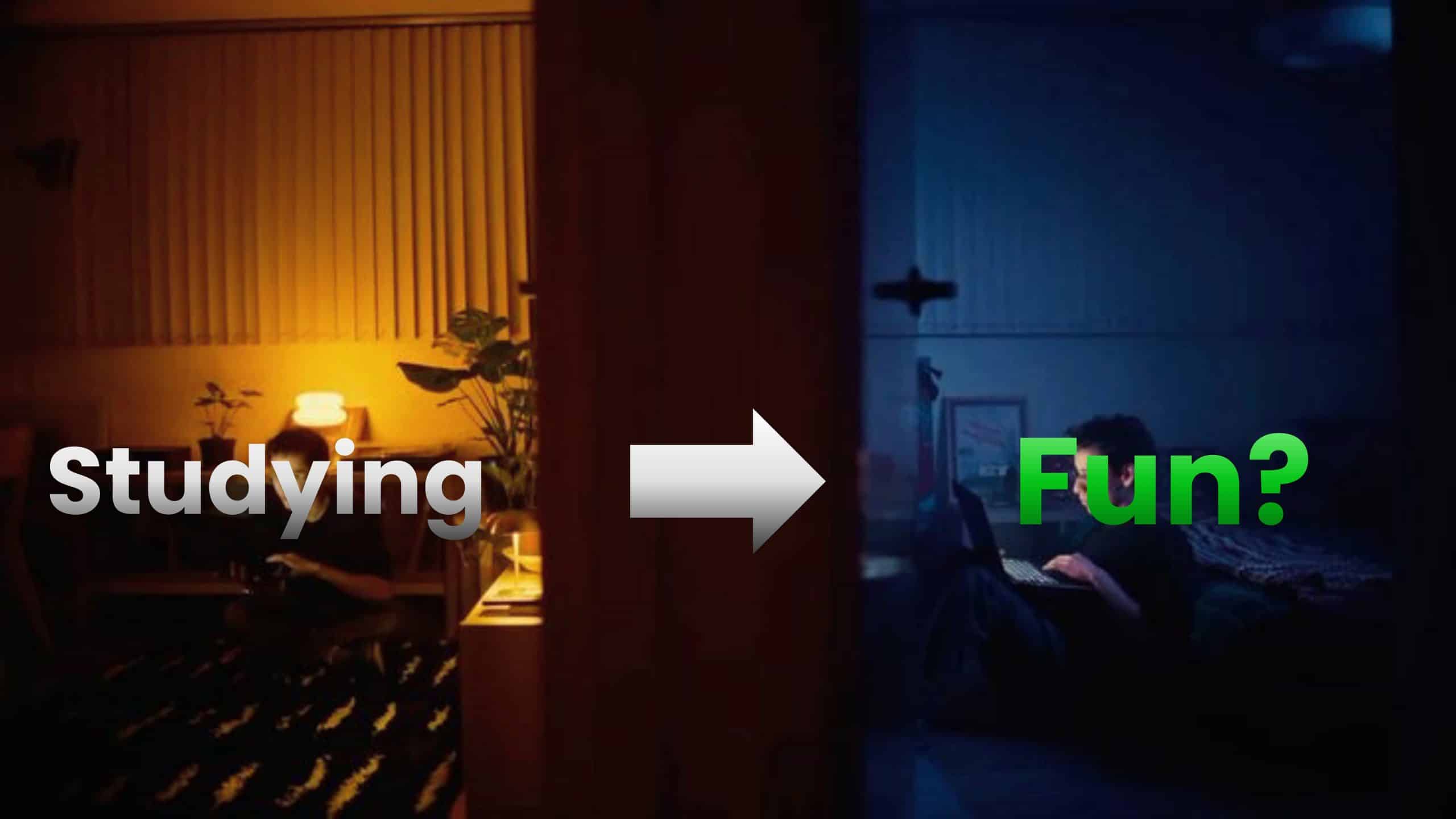
Studying feels like a chore. Gaming feels like fun. What if you could combine the two?
That’s the power of gamification. By adding game elements to studying—points, achievements, streaks, levels, rewards—you tap into the same psychology that makes games engaging. Suddenly, studying becomes something you want to do instead of something you have to do.
This isn’t about manipulating yourself. It’s about understanding motivation and using game mechanics to amplify it.
How Gamification Actually Works
Gamification leverages basic human psychology. We’re motivated to do something in return for a reward. The more we do, the more we get. It’s easier to keep riding momentum and making progress when we can see our progress accumulating.
Why Games Are So Engaging
Games are so engaging because they provide:
✓ Constant feedback — You know immediately how you’re doing
✓ Clear goals — You know exactly what to work toward
✓ Immediate rewards — You get instant gratification for effort
When you complete a quest in a game, you get experience points and see your character get stronger. When you level up, you unlock new abilities. There’s immediate feedback that your effort matters.
Studying doesn’t inherently provide this feedback. You study a topic, maybe you understand it better, maybe you don’t. The feedback is delayed and vague. Gamification fixes this by making the feedback immediate and clear.
Core Gamification Elements
Points Systems
Reward specific behaviors. For studying, you might earn points for:
- Completing study sessions
- Understanding difficult concepts
- Teaching material to someone else
You accumulate points throughout the day and week. Seeing your point total grow creates a sense of progress.
Streaks
Track consecutive days of completing habits. You study today—one-day streak. You study tomorrow—two-day streak. The longer your streak, the stronger your motivation to maintain it. Losing a streak is painful, which motivates you not to break it.
Achievement Badges
Mark specific accomplishments:
- “First study session completed”
- “One-week study streak”
- “Mastered all flashcards”
These visual markers of achievement create a sense of progress and give you targets to work toward.
Levels or Tiers
Create progression. You start at level 1. Complete enough study sessions or earn enough points, and you reach level 2. Each level might unlock new features or higher rewards. This creates long-term goals beyond just today’s studying.
Progress Bars
Show tangible progress toward specific goals. You need 1,000 points to complete this study cycle. You have 350 points currently. You can see the progress bar filling up as you earn points. This visual feedback keeps you motivated.
Leaderboards
Create social competition (if studying with others). Who has the longest study streak? Who earned the most points this week? Friendly competition can boost motivation, though this works better for some people than others.
Rewards
What you redeem points for. Studying is the input. Points are the currency. Rewards are the output. Rewards might be:
- Video game time
- Watching a show
- Going out with friends
- Anything you enjoy
You only get rewards if you earn enough points through studying.
Designing Your Personal Gamification System
Step 1: Identify Specific Study Behaviors
Write down behaviors you want to encourage:
- “Complete a study session”
- “Study for this many minutes”
- “Teach the material to someone else”
- “Complete practice problems”
Each behavior gets a point value.
Step 2: Identify Behaviors to Track or Discourage
“Skip a study day.” “Use phone during study time.” Some systems subtract points for these. Others just track them for awareness.
Step 3: Set Point Values
Common study behavior might be worth 2-3 points. Particularly difficult or important study work might be worth more. Smaller habits (like checking in mentally about your study goals) might be worth 1 point.
Step 4: Create Rewards You Actually Want
If you don’t care about the rewards, the system doesn’t work. Maybe you earn:
- Coffee shop trips
- Gaming time
- Watching a movie
- Buying something small
Rewards should be things you enjoy but don’t do constantly.
Step 5: Price Rewards Appropriately
- Too cheap: You never feel like you’re working toward anything
- Too expensive: You never reach them and quit
Find a sweet spot where rewards feel achievable within days or a week of focused studying.
Step 6: Track Everything
Use a spreadsheet, an app, or even paper. The act of tracking creates awareness and motivation.
Real Example: A Practical Gamification System
Daily Study Habits (Points Earned)
- Complete 1 Pomodoro study block:
2 points - Study for 30+ minutes total:
3 points - Complete all assigned practice problems:
5 points - Study when you didn’t plan to:
3 bonus points - Teach material to someone else:
5 points
Streaks (Bonus Points)
- 3-day study streak:
5 points - 7-day study streak:
15 points - 14-day study streak:
30 points
Rewards (Redeem Points)
- Watch a movie:
20 points - Gaming session (2 hours):
15 points - Coffee shop trip:
10 points - Sleep in one morning:
8 points - Take a day off studying:
25 points
With this system, a couple hours of focused studying per day earns 20-30 points. You could earn a movie reward within a week or gaming time within a few days. The frequency of rewards keeps you motivated without making them too cheap.
Avoiding Gamification Pitfalls
✗ Don’t Make It Too Complicated
If it takes more energy to track points than to study, you’ll abandon it. Keep it simple.
✗ Don’t Set Point Values Too High
If everything feels impossible to reach, motivation dies. Make rewards achievable within days or a week.
✗ Don’t Neglect Quality for Points
A system where you get points just for having your textbook open encourages gaming the system, not actual learning. Make points reflect genuine learning behaviors.
✗ Don’t Use Gamification as the Only Motivation
It works best combined with genuine interest in learning and clear goals. It amplifies intrinsic motivation, not replaces it.
Combining Gamification With Other Techniques
Use gamification to structure the time you’ll spend on evidence-based learning techniques like:
- Active recall
- Spaced repetition
- Elaboration
Points and rewards provide external motivation while effective techniques provide actual learning.
Use streaks to maintain consistency with spacing schedules. Your longest streak is broken if you miss a day, which motivates you to study regularly even on days when you feel less motivated.
Use leaderboards or social sharing to add accountability if studying with others. Knowing someone else is working on their streak motivates continued effort.
The Psychology That Makes It Work
Achievement Motivation
Humans are driven to accomplish goals and see evidence of progress. Games provide this constantly. Studying alone doesn’t. Gamification adds it.
Consistent Positive Feedback
Every study session produces points. Every week of consistency produces streak bonuses. Your brain learns to associate studying with reward and recognition, making it feel more like something you want to do.
Making Abstract Goals Concrete
“Learn physics” is vague and far away. “Earn 100 points this week” is specific and measurable.
Getting Started Today
- Design a simple gamification system: Identify
3-5study behaviors you want to encourage - Assign point values: Be realistic and generous
- Create rewards: Pick
3-5rewards you actually want - Track points: Use a spreadsheet, app, or paper
- Start today: Run your system for one week and see how it feels
Start with conservative point values and see how it feels after a few days. Adjust as needed.
The best gamification system is the one you’ll actually use. If it feels fun and achievable, you’ll maintain it. If it feels complicated or discouraging, you’ll abandon it. Start simple. Build from there.